AI search & Shopify insights
Strategies to get your Shopify store recommended by ChatGPT, Claude, Gemini and more, and to track the orders it drives.
Page 2
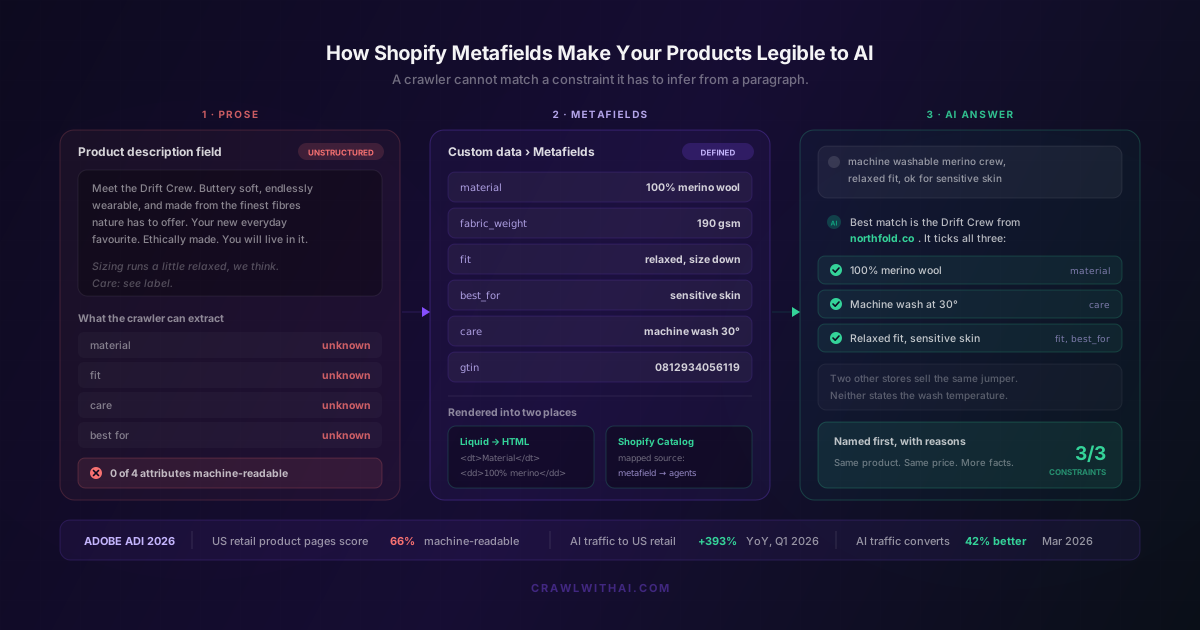
How Shopify Metafields Improve AI Crawler Understanding of Your Products
Shopify metafields turn marketing prose into machine-readable attributes. Here is how they change what AI crawlers extract, and why that decides recommendations.
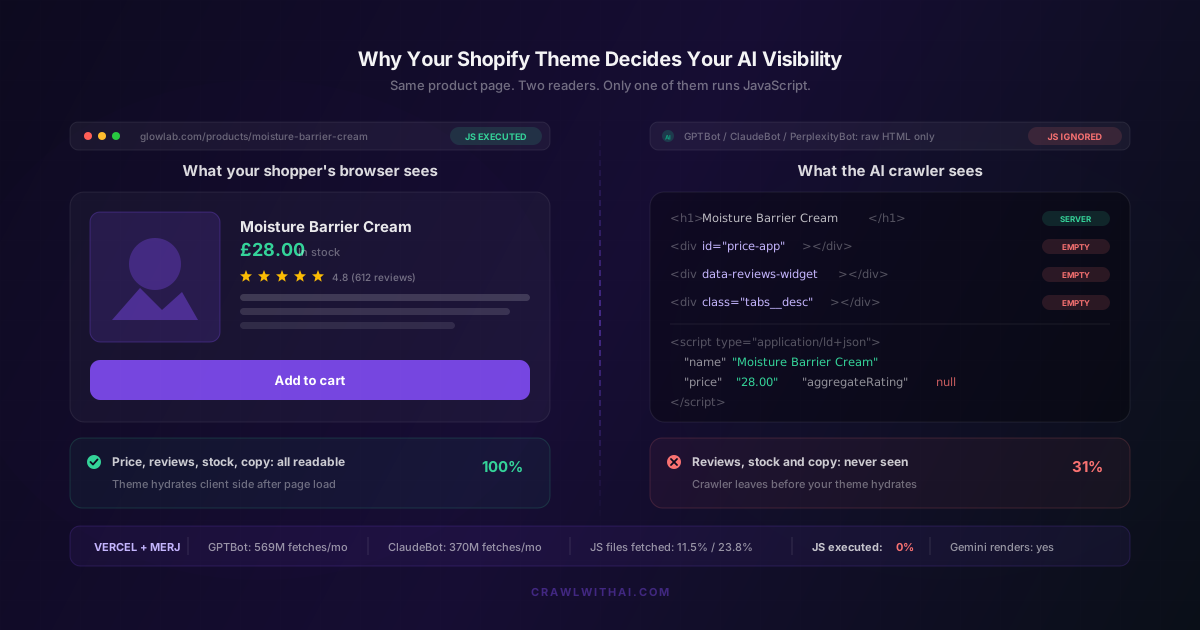
Why Shopify Themes Affect Your AI Visibility, Not Just Your Google Ranking
AI crawlers do not execute JavaScript. Your Shopify theme decides what GPTBot and Perplexity actually read, which quietly controls your AI visibility.
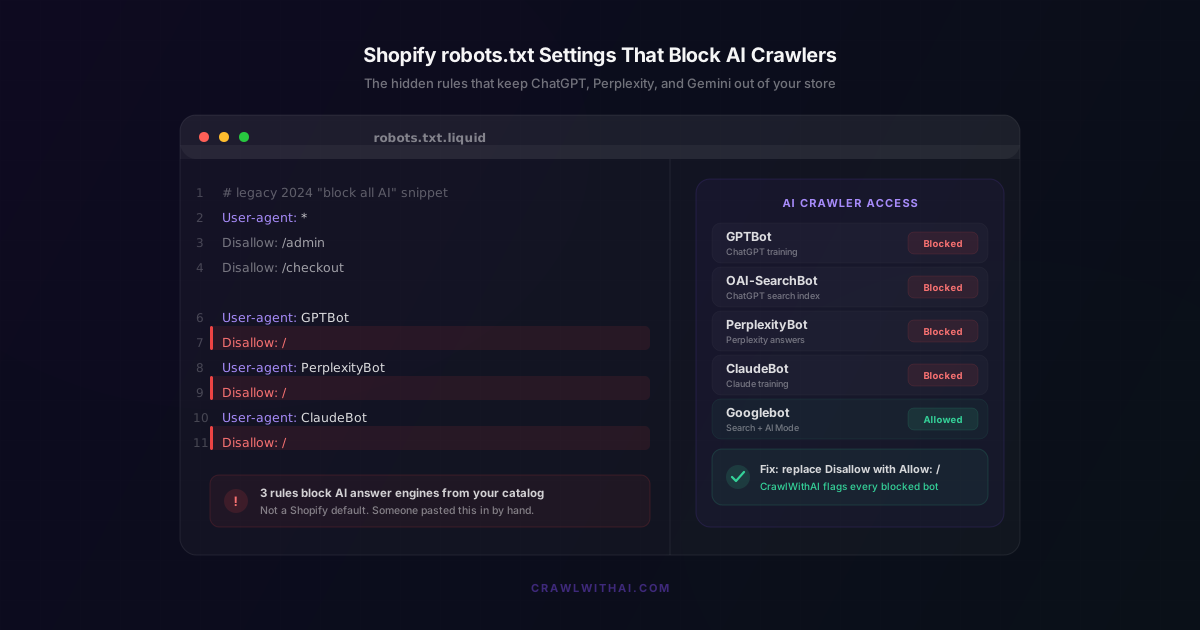
The Shopify robots.txt Settings That Block AI Crawlers (and How to Fix Them)
Your Shopify robots.txt might be quietly blocking GPTBot, PerplexityBot, and ClaudeBot. Here is how to find the rules and fix them before you lose AI sales.
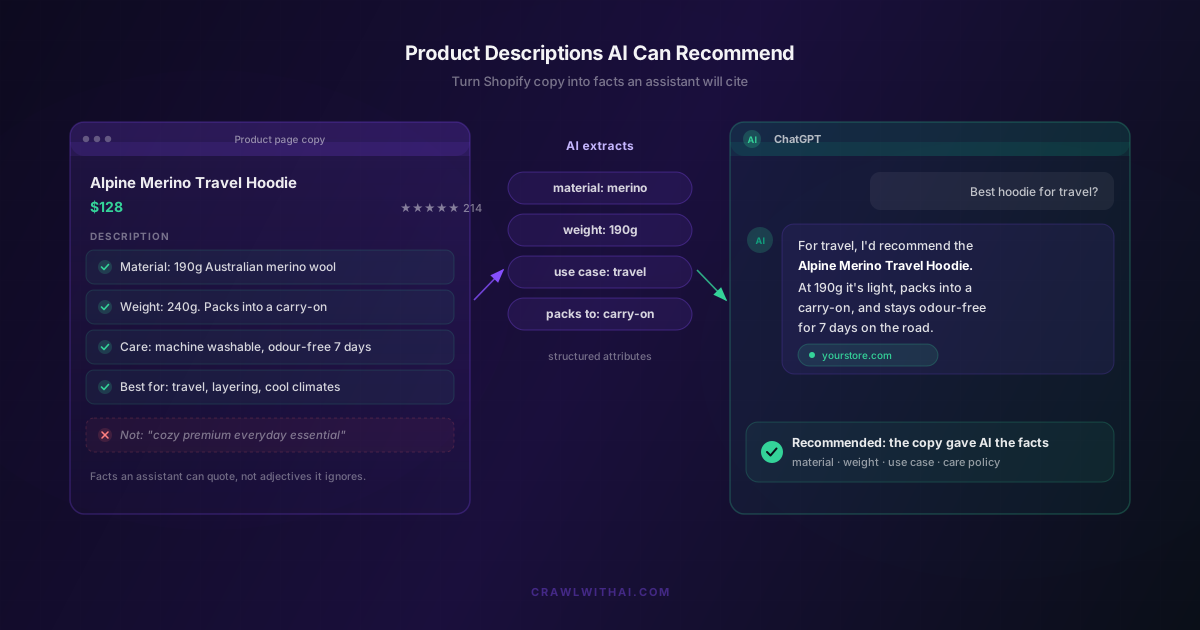
How to Write Shopify Product Descriptions That AI Can Recommend
Individual product pages are only 66% machine readable. Here is how to write Shopify product descriptions that ChatGPT, Perplexity and Gemini will recommend.
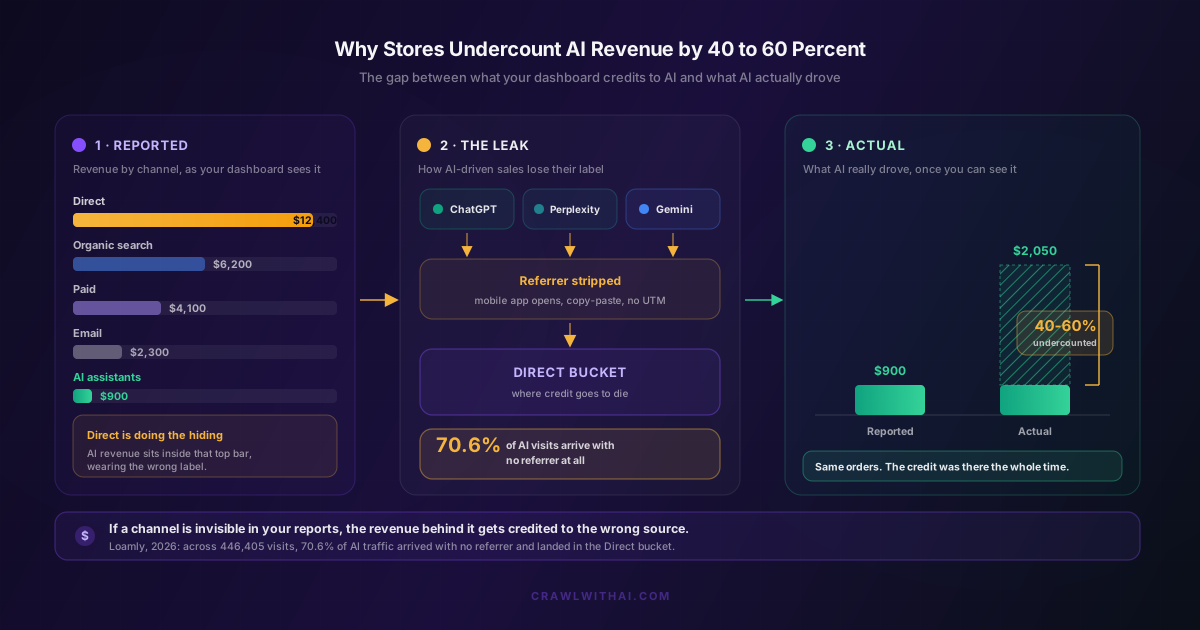
Why Stores Undercount AI Revenue by 40 to 60 Percent Without Proper Tracking
Most stores undercount AI revenue by 40 to 60 percent because AI referrals vanish into Direct traffic. Here is why it happens and how to size the gap.
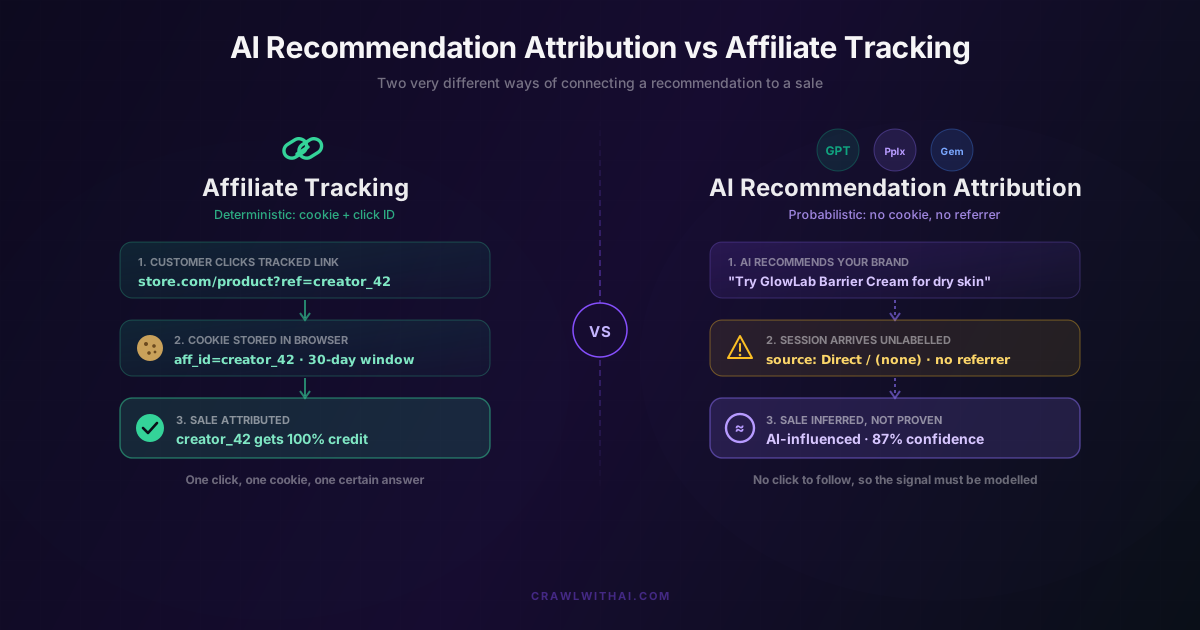
How AI Recommendation Attribution Differs From Affiliate Tracking
Affiliate tracking counts clicks with cookies. AI recommendation attribution has no click to count. Here is why the two work differently and what that means for your revenue.
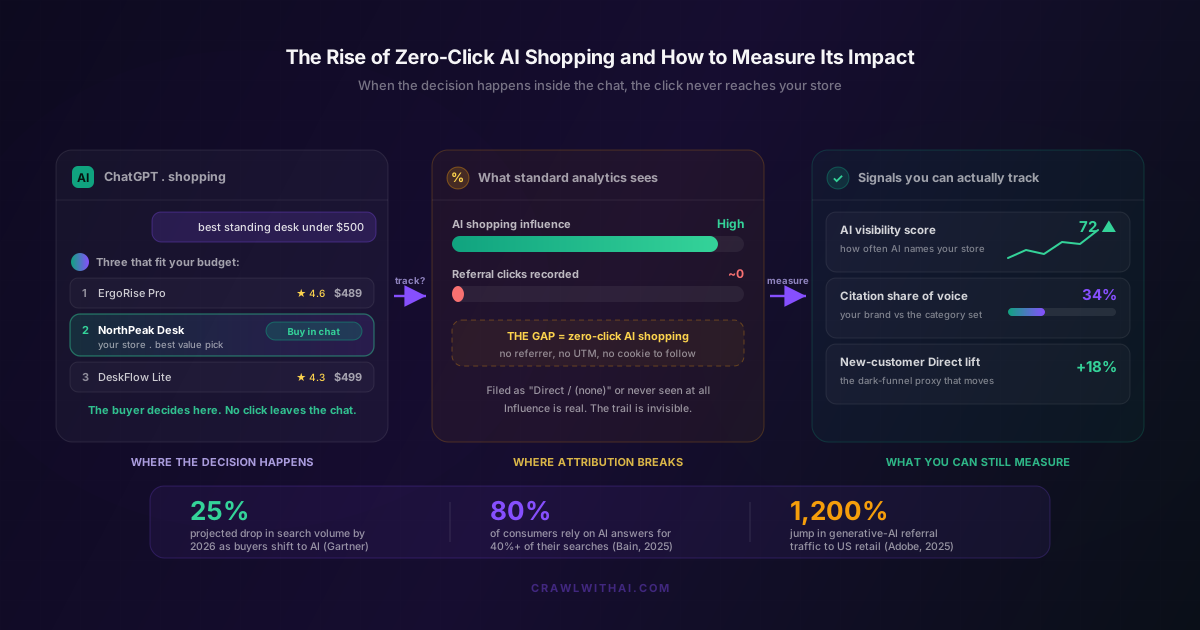
The Rise of Zero-Click AI Shopping and How to Measure Its Impact
Zero-click AI shopping means the buying decision happens inside the chat. Here is why it is growing fast and how to measure the revenue it drives.
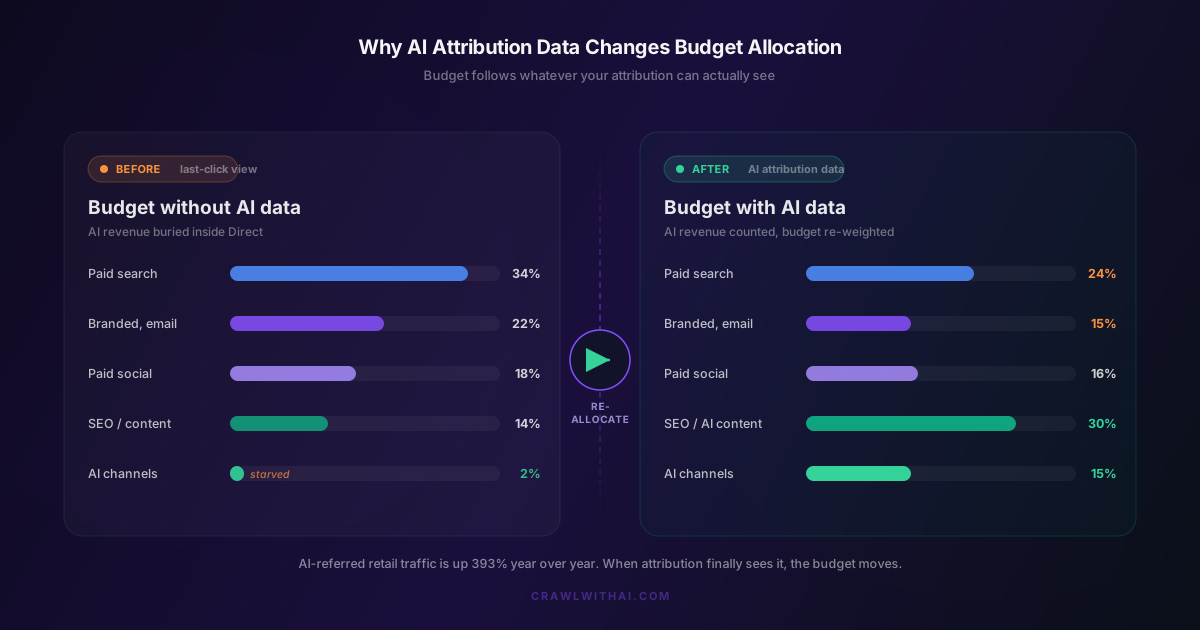
Why AI Attribution Data Changes How You Allocate Your Marketing Budget
AI attribution data reveals the revenue AI channels really drive. Once you can see it, your marketing budget stops flowing to the wrong places. Here is how.
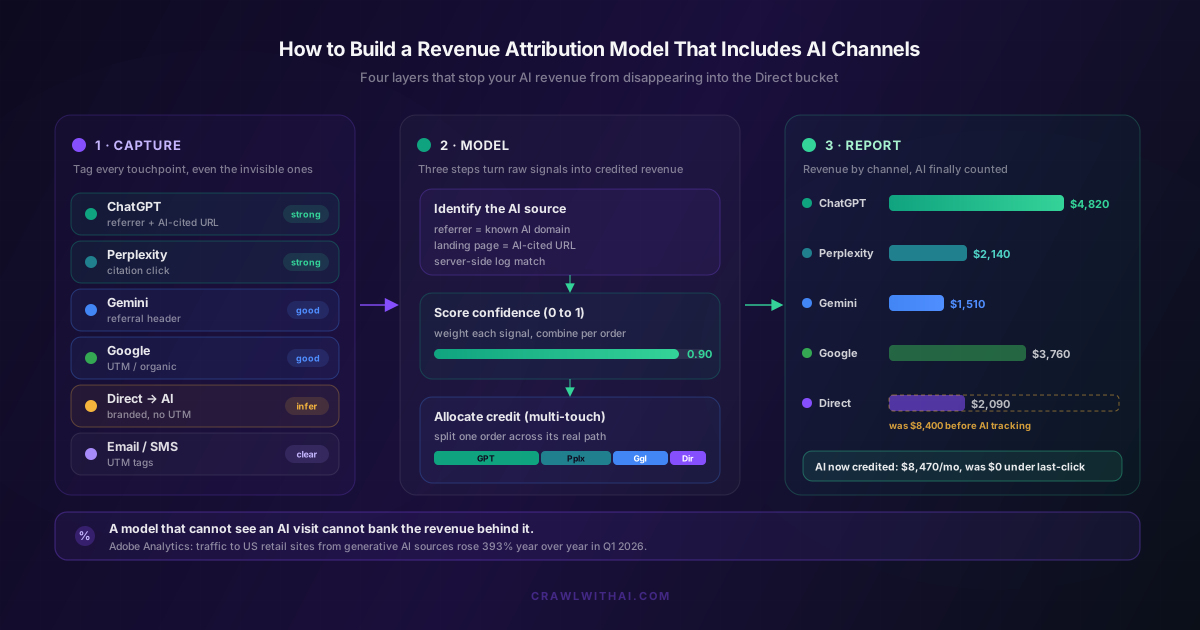
How to Build a Revenue Attribution Model That Includes AI Channels
AI channels now drive real Shopify revenue, but most attribution models cannot see them. Here is how to build an AI revenue attribution model that counts it.
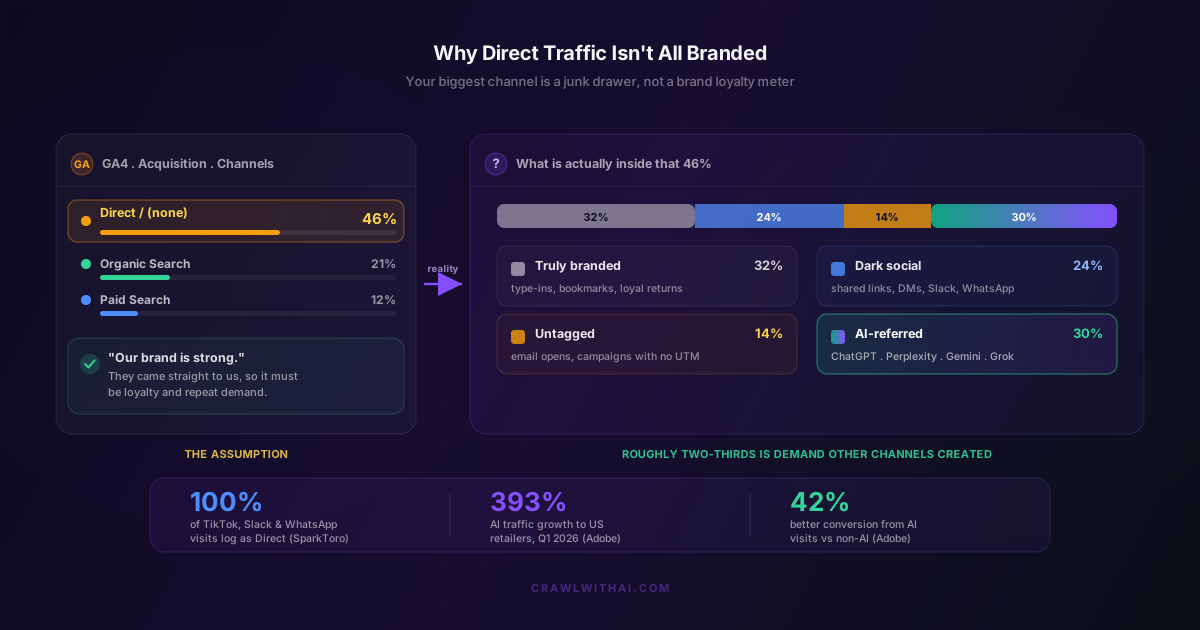
The Problem With Treating All Direct Traffic as Branded
Most Shopify stores read a big direct traffic number as brand strength. Much of it is dark social and AI referrals. Here is why that assumption costs money.
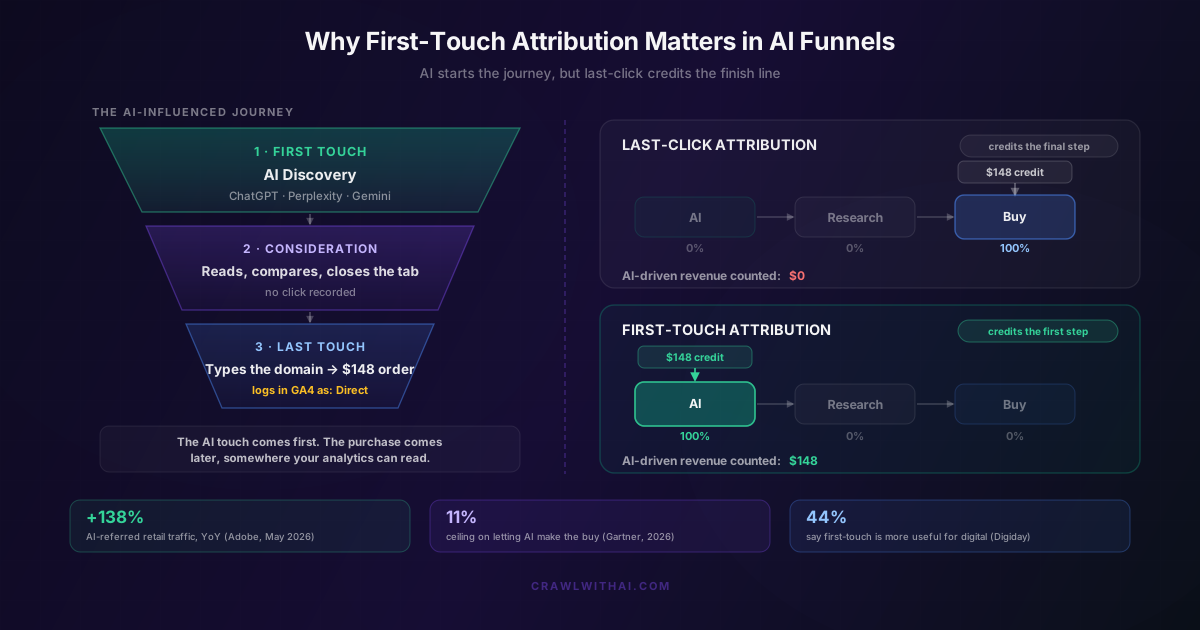
Why First-Touch Attribution Matters More in AI-Influenced Funnels
AI starts most shopping journeys but rarely closes them. Here is why first-touch attribution captures the AI-driven revenue that last-click throws away.
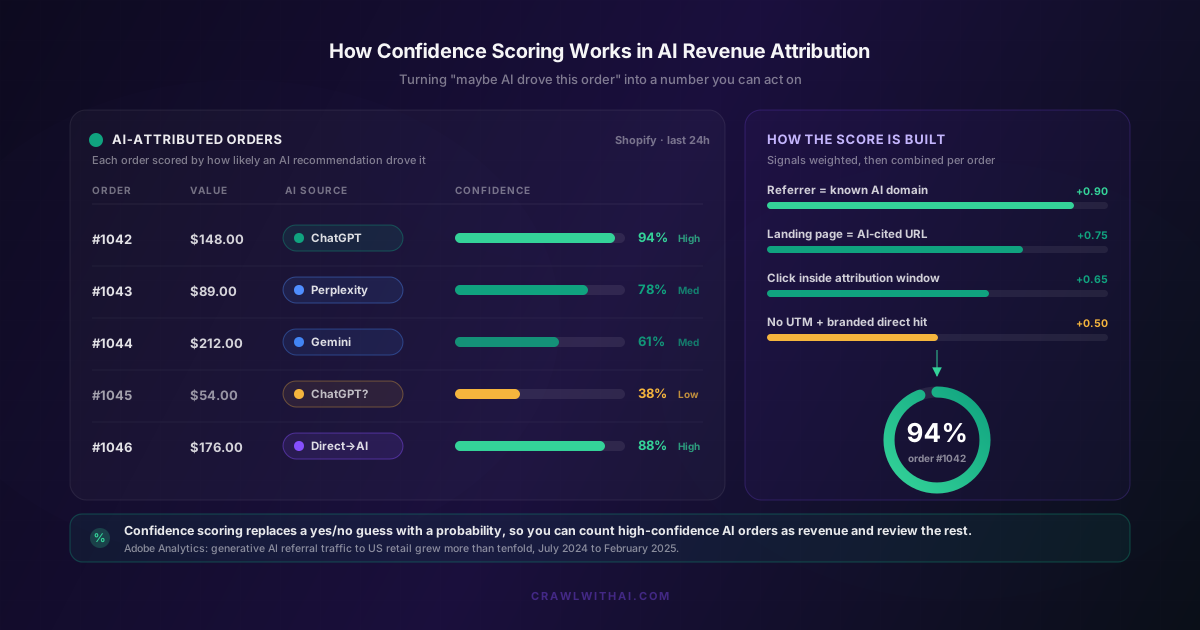
How Confidence Scoring Works in AI Revenue Attribution
AI orders rarely arrive with clean tracking. Confidence scoring assigns each order a probability that AI drove it, so you can count AI revenue without guessing.
Page 2 of 7