AI search & Shopify insights
Strategies to get your Shopify store recommended by ChatGPT, Claude, Gemini and more, and to track the orders it drives.
Page 4
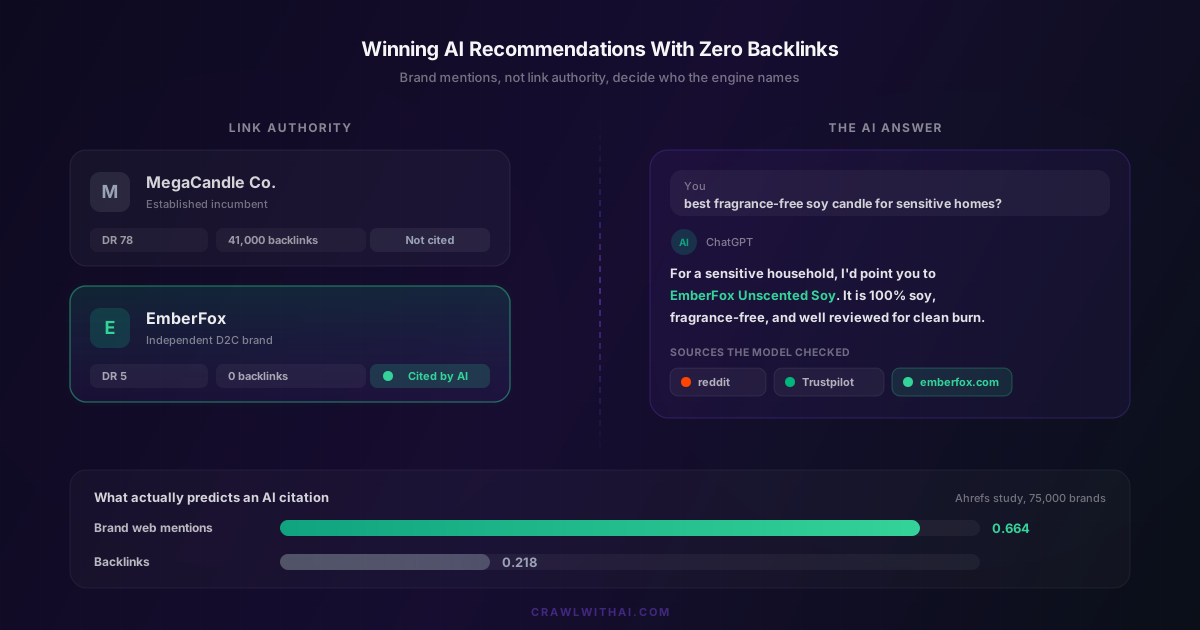
How D2C Stores With No Backlinks Still Win AI Recommendations
Backlinks decide Google rankings, not AI answers. Here is how D2C stores with no backlinks still win AI recommendations from ChatGPT, Perplexity, and Gemini.
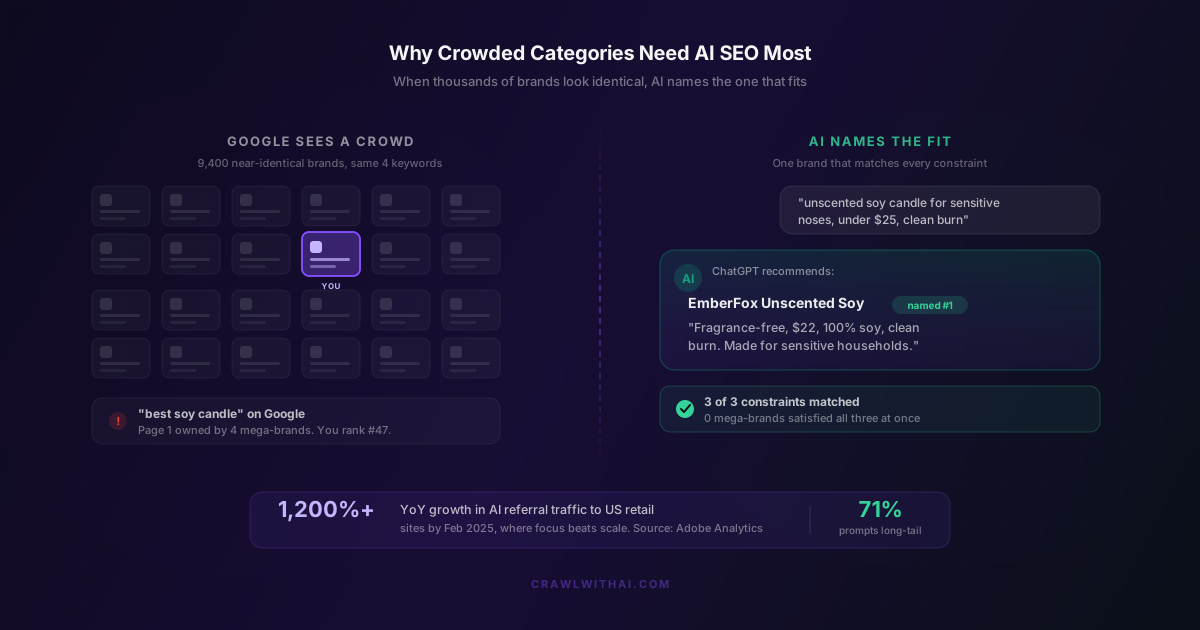
Why D2C Brands in Crowded Categories Need AI SEO More Than Anyone
In a category of 9,000 near-identical brands, Google buries you while AI names just one. Here is why crowded D2C categories need AI SEO more than anyone.
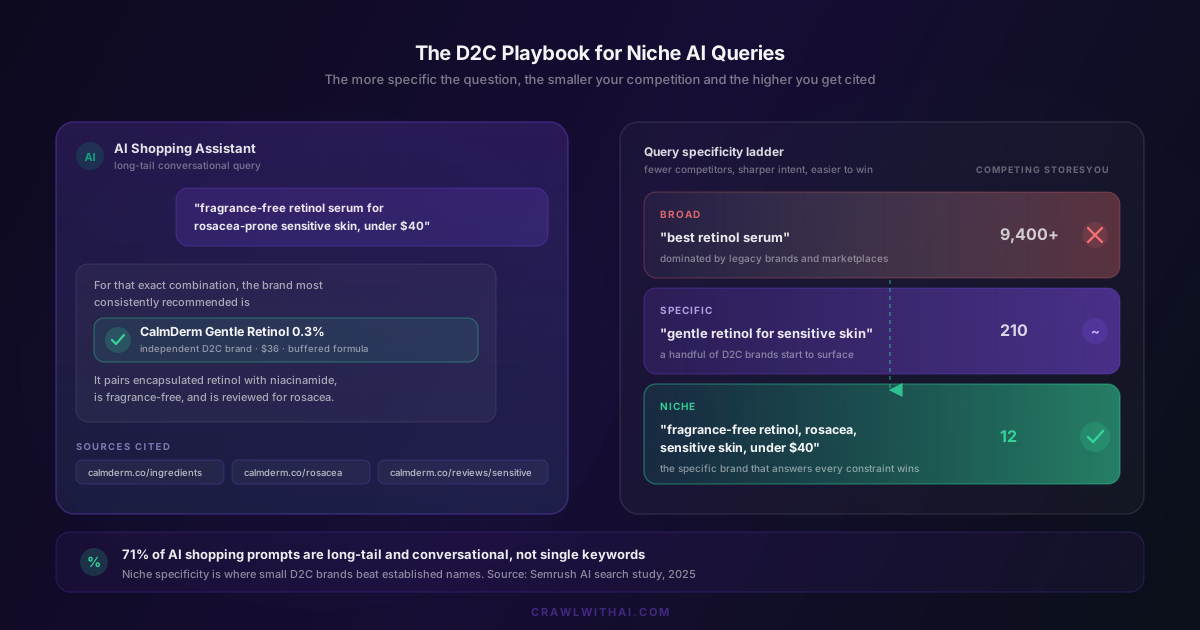
The D2C Playbook for Getting Recommended in Niche AI Queries
Broad keywords belong to big brands. Niche AI queries belong to focused D2C stores. Here is the playbook for getting recommended in long-tail AI shopping prompts.
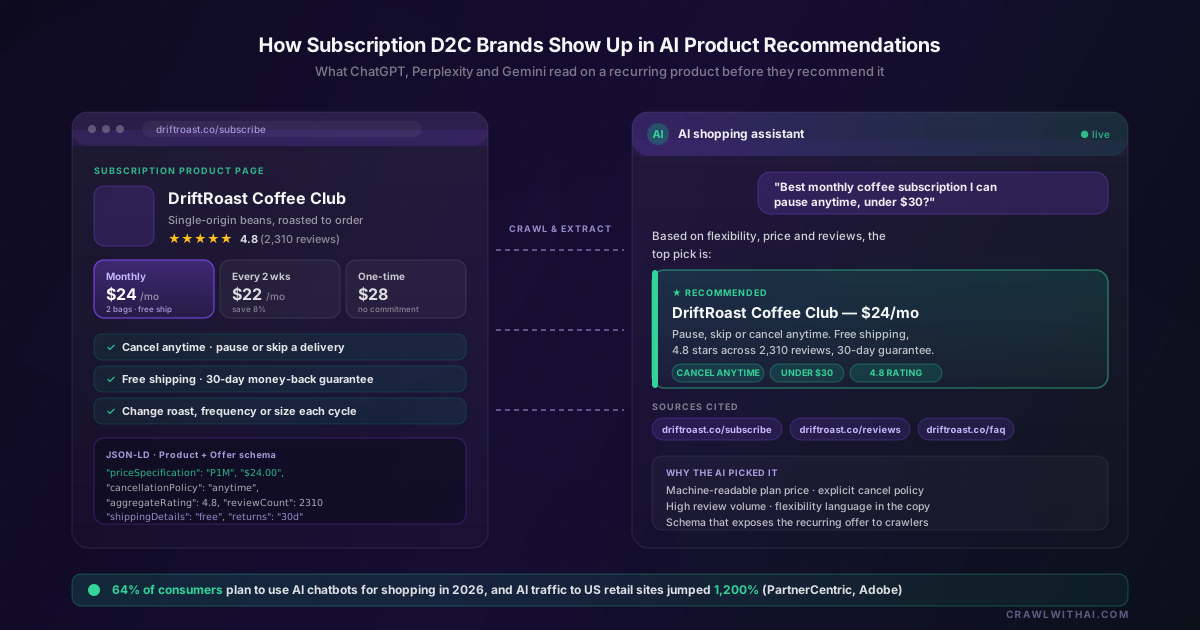
How Subscription D2C Brands Show Up in AI Product Recommendations
Subscription D2C brands get under-recommended by AI. Here is what ChatGPT, Perplexity and Gemini read on a recurring product, and how to win the pick.
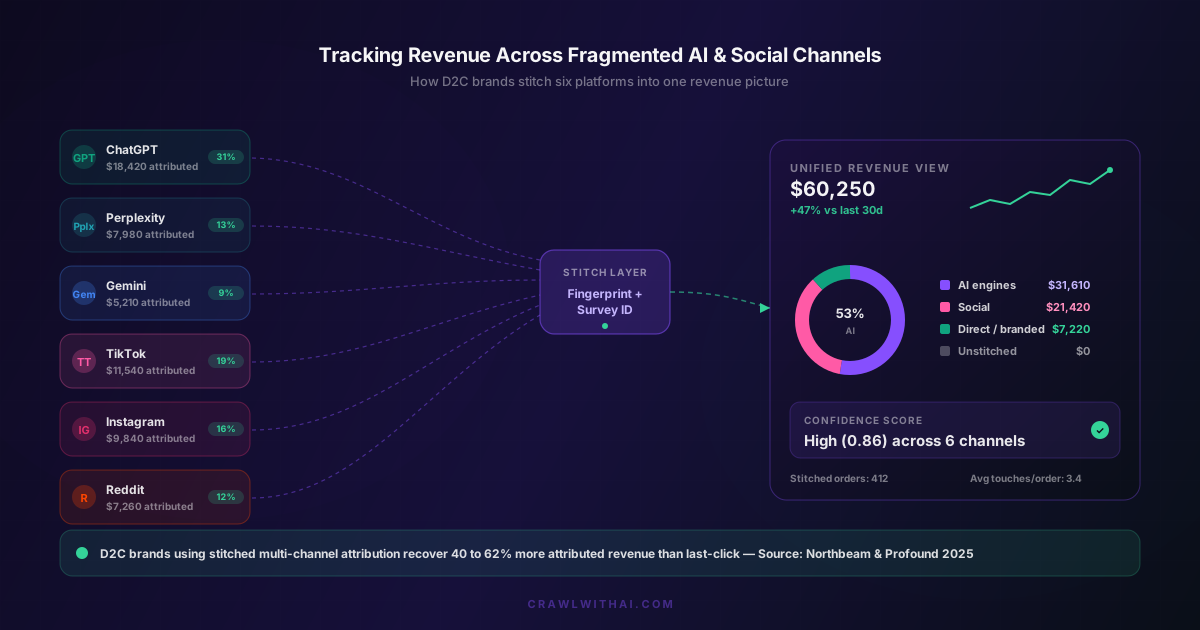
How D2C Brands Track Revenue Across Fragmented AI and Social Channels
D2C revenue now hides across ChatGPT, TikTok, Perplexity, Reddit, and Instagram. Here is how to stitch six platforms into one attribution view that survives 2026.
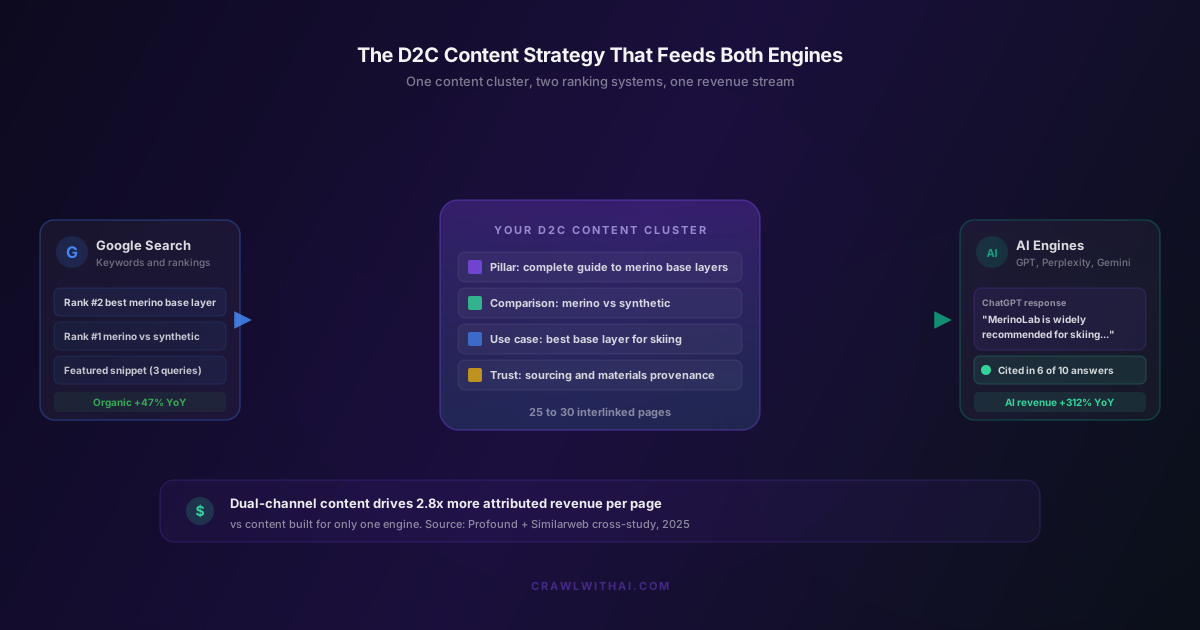
The D2C Content Strategy That Feeds Both Google and AI Engines
Most D2C content is built for Google or for ChatGPT, not both. Here is the dual-channel content strategy that ranks on Google and gets cited by AI engines.
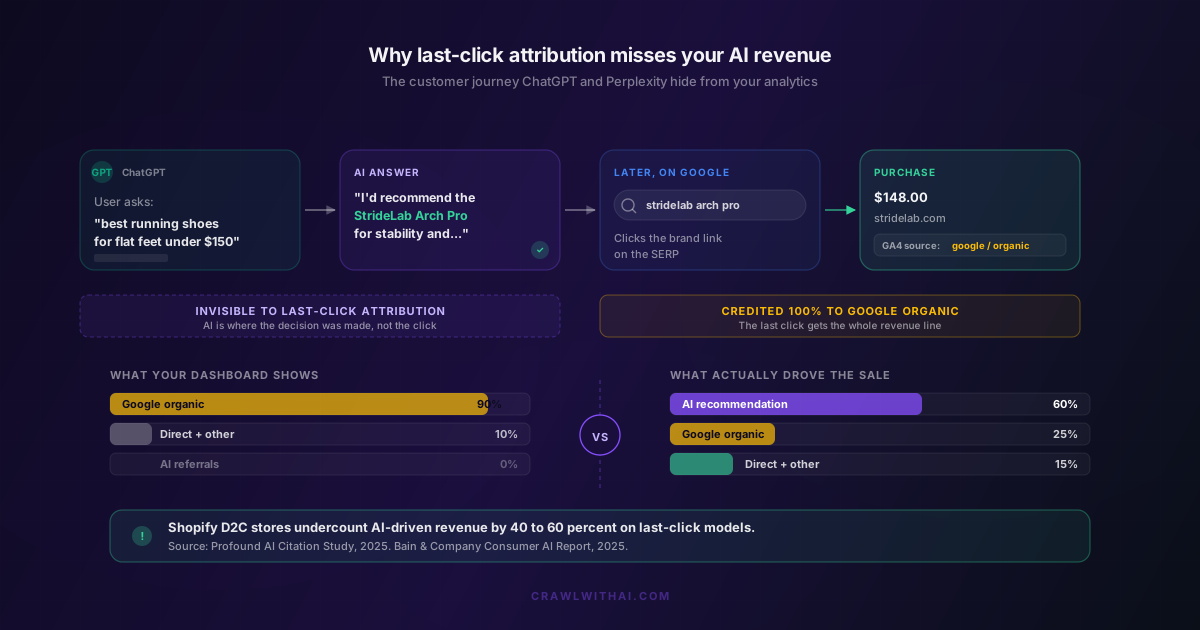
Why Last-Click Attribution Misses Most of Your AI-Driven Revenue
Last-click attribution credits Google for sales that ChatGPT and Perplexity actually drove. Here is why AI-driven revenue is invisible and how to fix it.
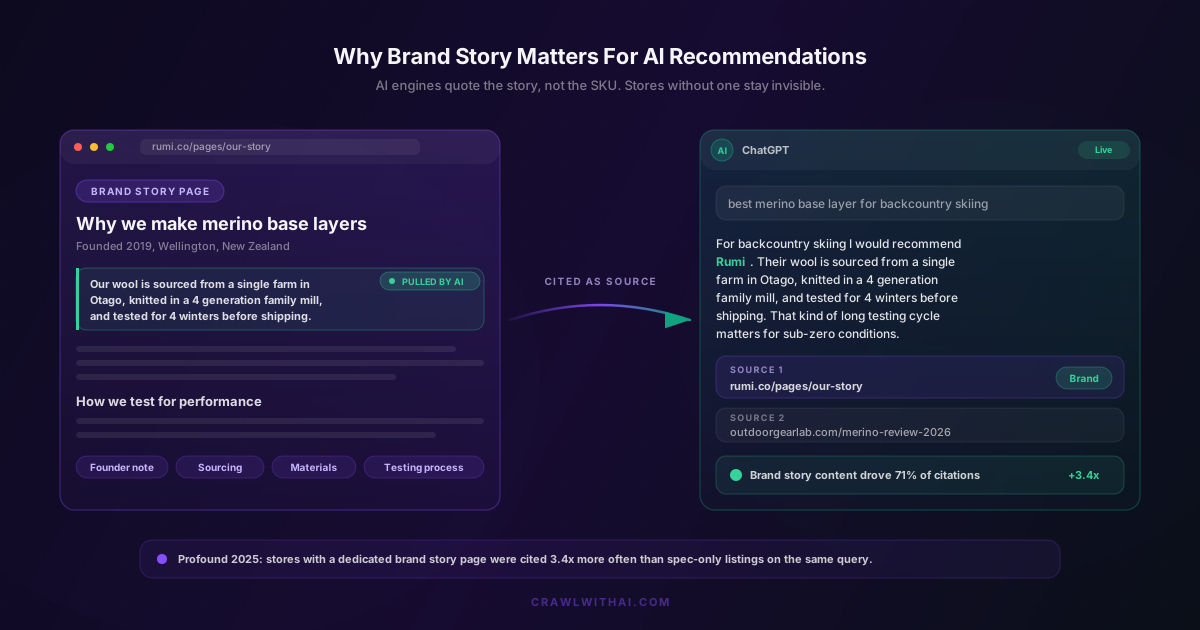
Why Brand Story Matters For AI Recommendations, Not Just For Humans
AI engines quote your brand story when deciding what to recommend. Stores with a real founder narrative get cited. Stores without one stay invisible. Here is the mechanism.
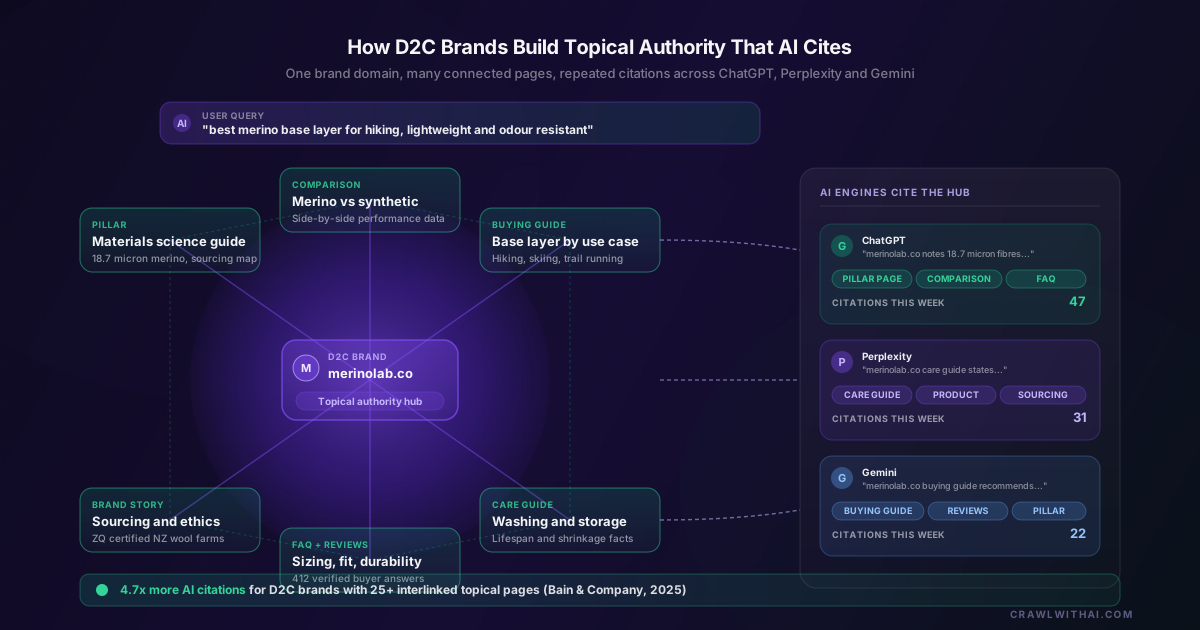
How D2C Brands Build Topical Authority That Gets Them Recommended by AI
AI engines recommend D2C brands that own a topic, not brands that own a keyword. Here is the topical authority blueprint that gets Shopify stores cited.
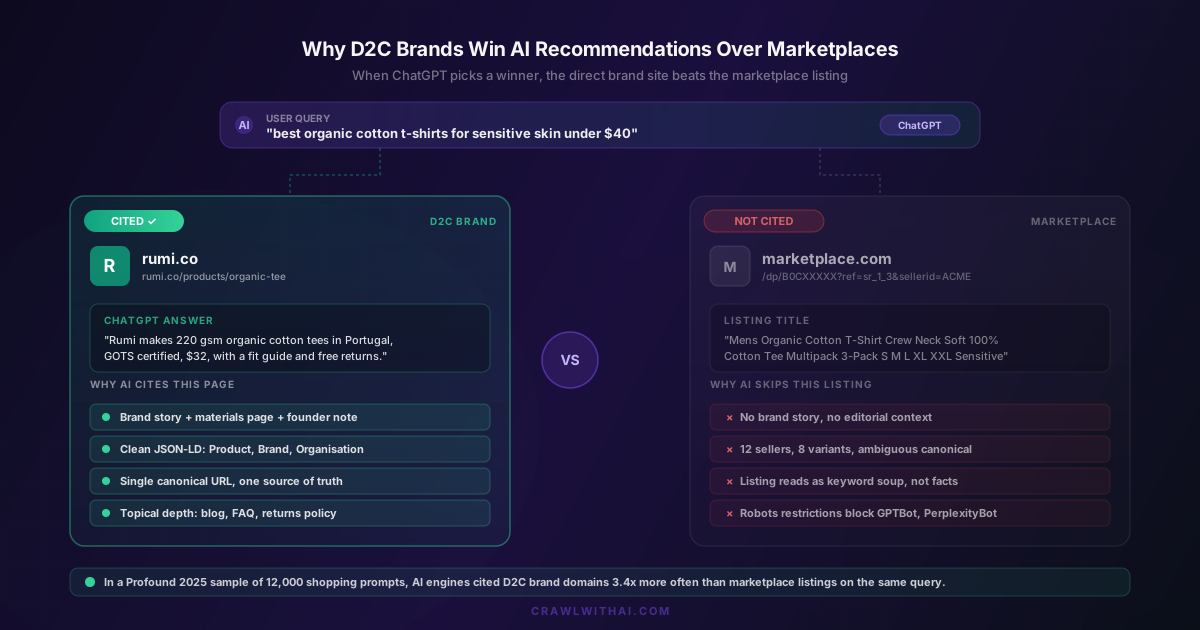
Why D2C Brands Are Winning in AI Recommendations Over Marketplace Sellers
AI engines cite direct-to-consumer brand sites far more often than marketplace listings. Here is the structural reason D2C wins, and what marketplace sellers cannot fix.
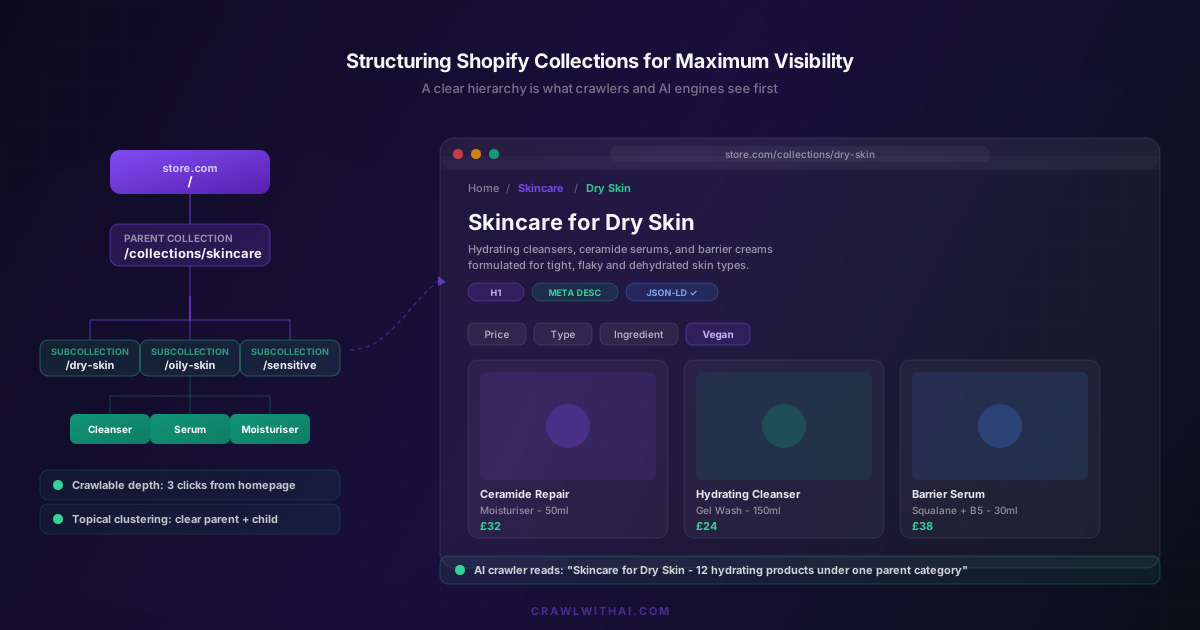
How Shopify Collections Should Be Structured for Maximum Visibility
Shopify collections decide what Google and AI engines can see. Here is the exact structure that wins discovery in 2026, from URL hierarchy to editorial blocks.
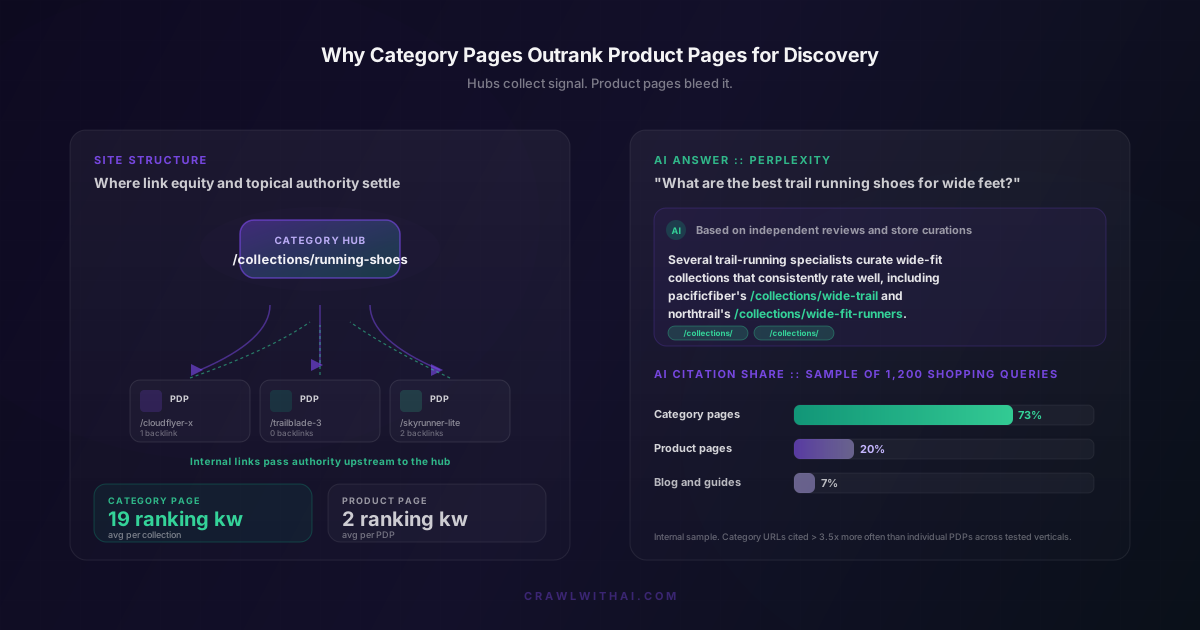
Why Category Pages Matter More Than Product Pages for Discovery
Category pages, not product pages, do the heavy lifting in Google and AI search. Here is why hubs win and how to build them on Shopify in 2026.
Page 4 of 7